Young Aarhus entrepreneur challenges Patreon with new platform for bands and their superfans
It should be easier for musicians to monetize the most dedicated fans who don’t just want to buy the latest release and concert tickets. The startup Backstaged has just launched with its first artist and will create a subscription-based platform where fans can get access to exclusive content and closer contact with the artists. The ambition is to become a music-focused alternative to services like Patreon, which today is primarily used by YouTubers, podcasters and other content creators.
The most dedicated fans are often willing to pay for more than what is freely available on streaming services. Where Spotify and similar platforms are designed for mass consumption, Backstaged will instead focus on the few percent of the fanbase who want to support directly and get access to exclusive content.
“There are several musicians I listen to who post short clips of songs on their Instagram stories. Sometimes it’s just ten seconds, and some of those songs never come out. I find that really annoying as a fan. I want to hear them, even if they’re not quite finished. I’m actually willing to pay for it because I care so much about what they do,” says Backstaged founder Marc Vester.
The platform functions as a digital fan club. Here, musicians can share songs, videos and other materials that are not necessarily intended for official release. These can be unfinished tracks, demos, remixes, project files or little insights from the studio. Access is controlled via subscriptions, with artists setting their own prices and levels.
“It’s meant to be a virtual fan club. A kind of backstage where you sit behind the scenes with the artist and the other fans. We want to create that feeling.”
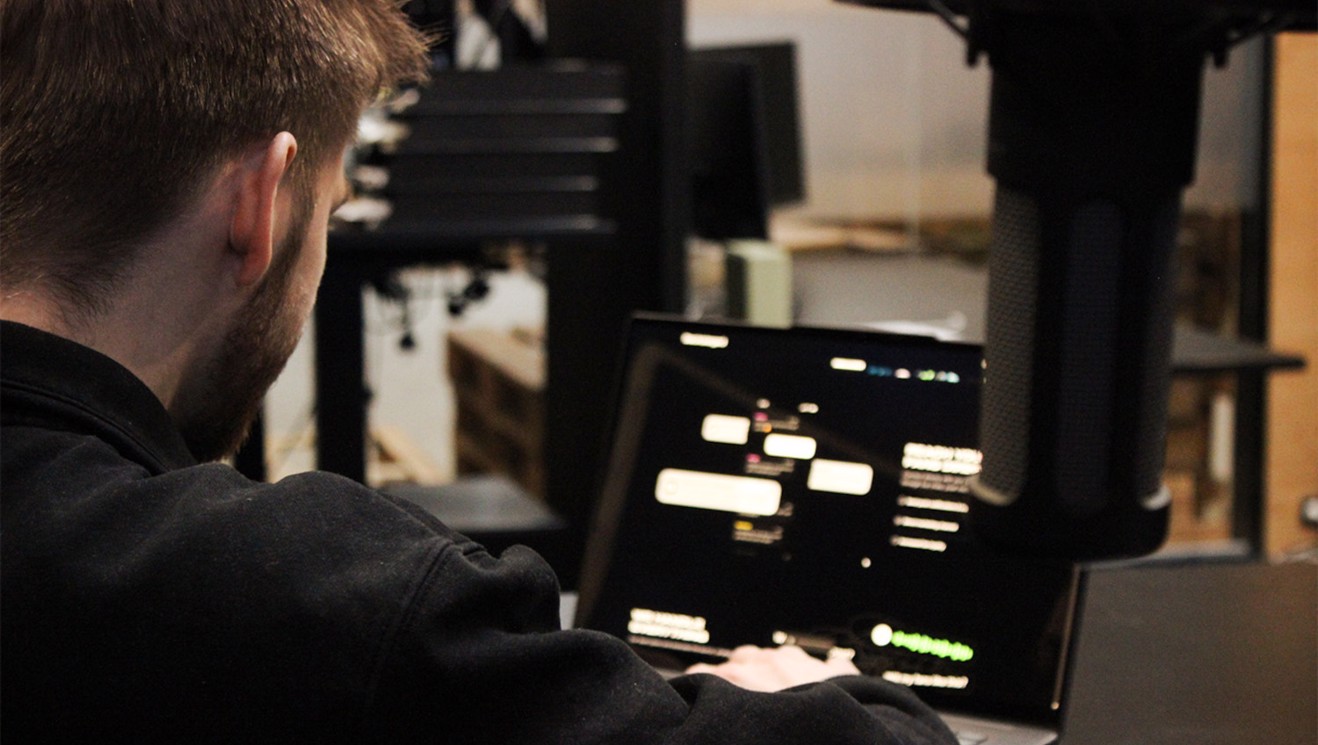
Backstaged was founded by 25-year-old Marc Vester from Aarhus, who is behind the project together with two freelance developers in France and Italy. The team has spent the past year developing the platform, and now the first artist has come on board.
“I had the idea last year, contacted two developers I’ve known for many years and we just started building. We’ve been developing it ever since and now we’ve finally gone live with the first artist.”
The next step is to attract more artists and start building communities around them. For the founder, the project is very much about creating a new type of relationship between musicians and fans.
A structural problem
It’s a well-known challenge in the music industry that it’s hard to make money from music itself. Streaming has made music more accessible than ever, but earnings are concentrated among the biggest artists, while many smaller and medium-sized artists struggle to make ends meet.
“There are so many musicians who have a really hard time making money. They have to work as part-time teachers or garbage collectors or whatever, because they can’t make ends meet.” says Marc Vester.
For many, this means one or more part-time jobs alongside music or dependence on record labels and middlemen who take a large part of the income. At the same time, live performances and merchandise are often unpredictable sources of income that require constant activity.

Backstaged sees an opportunity in the so-called creator economy, where fans are increasingly supporting their favorite creators directly through subscriptions, donations and exclusive content. This trend has already changed the business models of YouTubers, streamers and podcasters, but in the music industry, similar solutions have not been as widely adopted.
“We’ve seen this development where power is being shifted from the big media companies down to the individual creators. I think this trend is only getting stronger. Now musicians can also be part of it and take back control of their own careers,” explains Marc Vester.
According to him, the potential lies in the superfans. Instead of focusing on millions of streams or large concert halls, even a relatively small group of loyal fans can create a stable income for an artist.
“Maybe only two percent of fans will join. But if they support directly, it can be the difference between having a part-time job or being able to live off your music.”
The platform is therefore not intended as a replacement for streaming services, but as a supplement where the most dedicated fans gather in a closed community.
A platform built for music
Although the most obvious comparison is Patreon, Marc Vester has tried to build a platform that targets musicians from the start. That’s why Backstaged is designed with music as the only central element.
“Patreon is mostly built for YouTubers and podcasters. There hasn’t really been a platform that was made specifically for musicians. That’s what we want to change.”
The platform includes an integrated music player so fans can listen directly in the browser without having to download files or use external services. Music, videos and files are brought together in a single universe around the artist’s community.
“If you’re a musician and you share a song on some of the other platforms, people have to download the file and play it themselves. It’s not very intuitive. So we’ve built a music player directly into the platform so it all happens in one place.”
Artists can create different subscription levels where fans get access to different types of content depending on their payment. The business model follows a familiar structure from other creator platforms, where Backstaged takes a fixed percentage of revenue.

“The artists decide their own prices and what they offer in their community. We charge a flat fee of ten percent, so they keep 90 percent of what they earn.”
Part of the concept is also a white-label approach, where the artist’s page appears as its own universe. At the same time, the platform offers a community manager to help with moderation and engagement.
“If you have a Patreon, keeping track of everything can be almost a full-time job. We give each artist a community manager who helps keep the engagement going and takes care of the practicalities.”
A small team with global ambitions
Backstaged is so far a small, bootstrapped project. Marc Vester is the sole owner and manages the day-to-day operations, while two freelance developers have helped build the platform. Instead of trying to raise external capital from the start, the team has chosen to fund the project themselves.
“The plan is really to bootstrap everything. We want to maintain control and our vision. If necessary, we can look at investments, but the starting point is to grow organically,” says Marc Vester.
The first artist on the platform, the electronic duo Heliograph, is Danish, but the ambitions are international. The platform is built in English from the start and the team is already contacting artists in other countries.
“It’s a bit of a coincidence that the first artist is Danish. We want to help Danish artists, but we reach out to musicians all over the world. The goal is to give all musicians this opportunity,” he says.
The vision is that the platform can eventually become a natural tool for musicians who want to build a more direct relationship with their audience.
“If we can help just a few musicians make a living doing what they love, then it’s a success. But the big vision is that Backstaged becomes a name every musician knows if they want to make a living from their music.”